
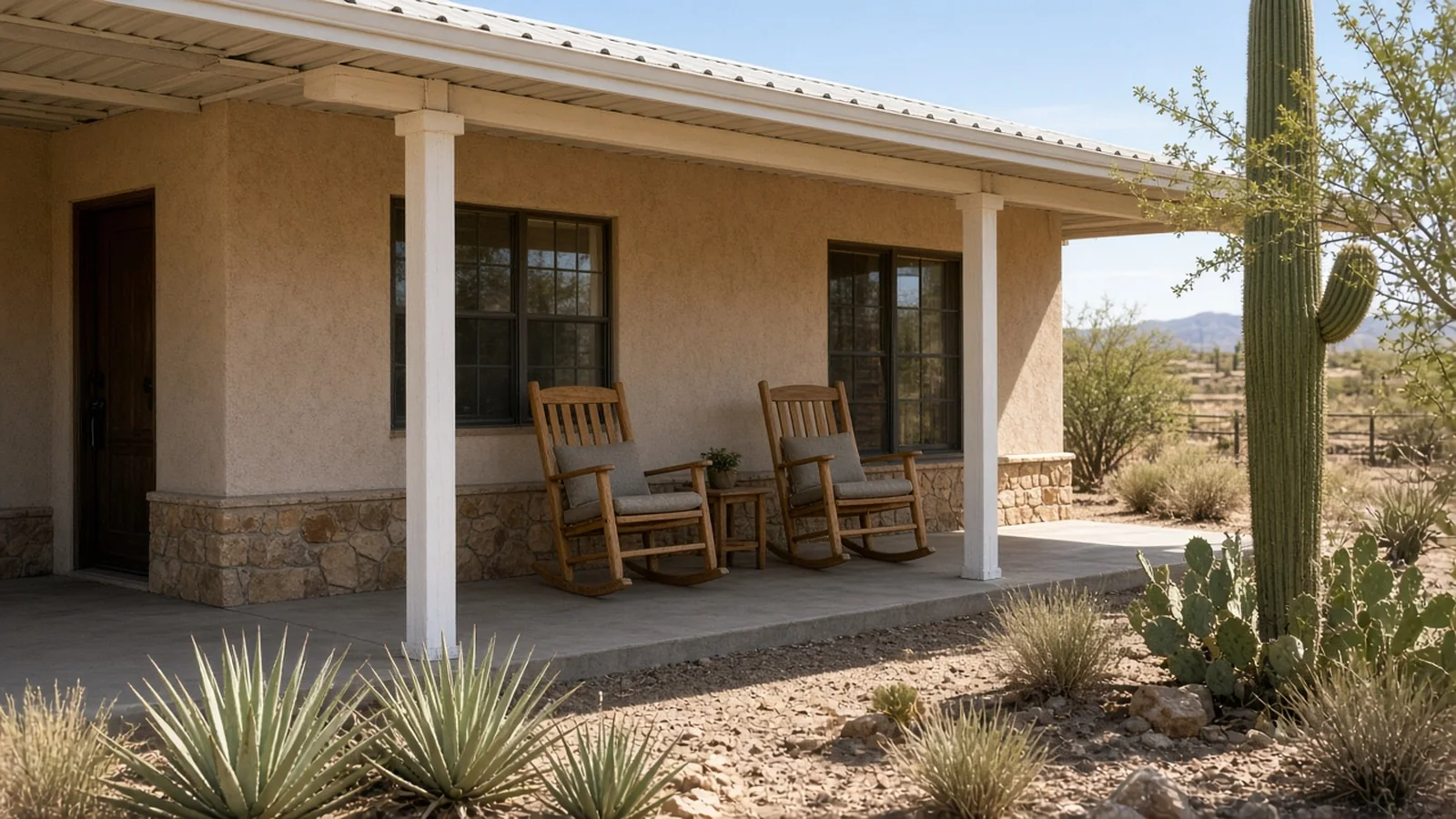
Who I Help · Homeowners 62 and Older
Mortgage options for Arizona homeowners 62 and older
You want to feel secure in your home, keep your options open, and make a decision your family understands. A reverse mortgage is one option. A regular refinance, a sale, or staying as you are may fit better. I'll walk you through each one calmly, with no pressure.
A reverse mortgage is one option, not the default
Many Arizona homeowners have built real equity but feel tight on monthly cash. Then the mailers and seminars start, and it's hard to know who to trust. That's a lot to sort through, especially when your home is the biggest thing you own.
A reverse mortgage is a loan against your home. It isn't free money, and it isn't right for everyone. It may be the wrong fit if you plan to leave the home free and clear to family soon, if you won't live there, or if keeping up with property taxes and insurance is already a struggle.
I also handle regular refinances. If a rate-and-term or cash-out refinance solves the problem with a payment you can keep, we start there. refinance Read the program details on Reverse Mortgage before you decide. reverse mortgage
This page isn't a recommendation to take a reverse mortgage. It's a starting point for a clear conversation.
Counseling, living in the home, and the bills that continue
For the most common reverse mortgage, the FHA-insured Home Equity Conversion Mortgage (HECM), HUD requires a few things:
- Age 62 or older.
- The home is your main residence. You live there most of the year.
- A counseling session with a HUD-approved counselor before you move forward.
- The ability to keep paying property taxes, homeowners insurance, and any HOA dues.
The counseling session is for you, not for me. A counselor walks you through your obligations, your alternatives, and how the loan affects your estate. If counseling helps you decide not to move forward, that's a good outcome.
Bring your questions: What happens if one spouse passes away? What if I need long-term care? Who pays the HOA? Unpaid HOA dues can put a home at risk, even with a reverse mortgage.
Tell me who is on title and who lives in the home. A spouse who isn't on the loan needs to be part of the plan from the start. Spending part of the year in another state? Tell me that too.
What it means for your family
With a reverse mortgage, the loan balance usually grows over time if you don't make payments. When the loan comes due, your heirs can repay it, refinance, or sell the home. They inherit the home along with the loan, not a free and clear house.
If keeping the home in the family matters, we look at whether enough equity is likely to remain, using careful assumptions. Arizona home values move in both directions. Fees, mortgage insurance, and servicing are real costs, and I'll explain each one.
If a family member or advisor is encouraging a reverse mortgage, I'm glad to have them on the call. You still need to be the one who understands the loan. Pressure from anyone is a reason to slow down.
Buying a new home or staying put
Buying a home that fits this stage of life? HUD's program can be used to buy a home, which can reduce or remove a monthly mortgage payment compared to a regular purchase loan. You'll still need a meaningful down payment, counseling, and a home that meets program rules. If the price is above the HECM limit, ask me about reverse options above that limit. reverse mortgage
Staying in the home you have? We compare a reverse mortgage with staying as you are, a regular refinance, or selling. Bring your current mortgage statement and tell me what you want: more monthly cash, a lower payment, or a cushion for later.
The home still needs to be insurable and in good repair. Some repairs can be required before closing. I originate reverse mortgages myself, so you work with me from the first conversation to closing day.
Your plan: 1. Tell me what you want your home to do for you. 2. I lay out each option side by side, in plain English. 3. You decide, on your timeline, with your family informed.
Picture it: you feel settled in your home, your family understands the plan, and you made the choice without anyone rushing you.
Nearby situations
- Homeowners and refinance homeowners refinance
- Move-up move-up
- Veterans veterans
Questions families ask before anyone signs
Is a reverse mortgage the right choice once I turn 62?
Do I still have to pay property taxes and insurance with a reverse mortgage?
What happens to the house when I pass away?
Should I get a reverse mortgage or a regular refinance?
Who can explain my options as a homeowner 62 or older in Phoenix?
Ready when you are.
Buying, refinancing, or holding a quote you want checked? Tell me your goal and I'll map out your next step. Not ready to talk? Grab the Pre-Approval Checklist and start there.