
Buying · October 26, 2026
Buying an Arizona home with solar panels: find out who owns them before you write the offer
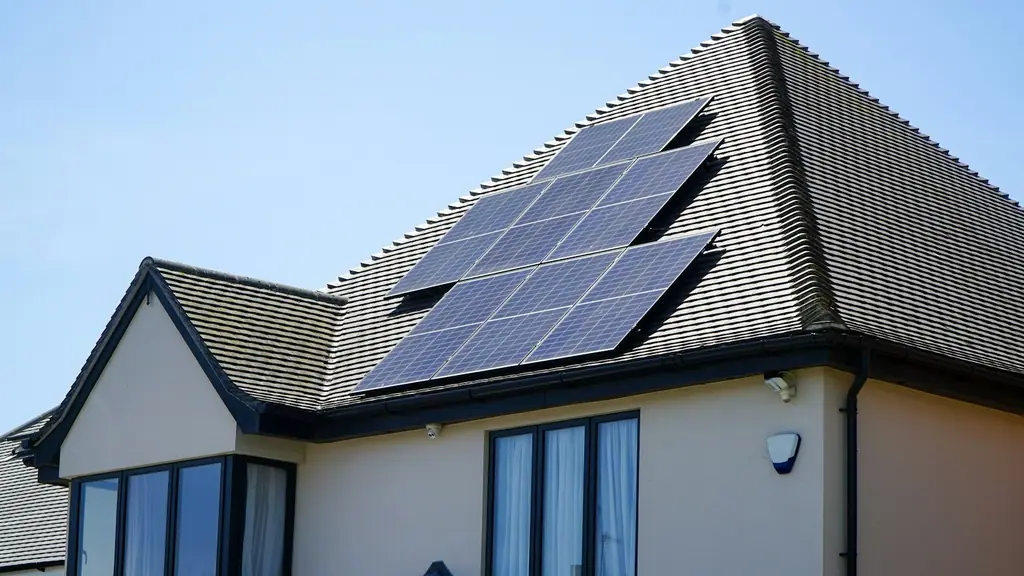
Rooftop solar can lower a power bill, but for a buyer the first question is who owns the panels. If the seller owns them outright, they are usually part of the house and the loan proceeds normally. If they are leased, covered by a power purchase agreement or still being paid off, the lender has to review that agreement, and the answer can change your monthly debts, the appraisal and the closing timeline. Ask for the solar paperwork as soon as you are interested in a home that has panels.
The rules below come from Fannie Mae's Selling Guide, which governs most conventional loans. FHA and VA loans have their own requirements, and the steps are similar enough that the same early questions apply.
Owned, leased, financed or a power purchase agreement
There are four common arrangements, and the listing does not always say which one applies.
Owned. The seller paid cash, paid off a solar loan or included the panels in the original purchase price. The panels go with the house, and standard appraisal, insurance and title rules apply.
Leased. A solar company owns the panels and the homeowner pays a monthly lease. A buyer can often take over the lease with the solar company's approval, or the seller may buy out the lease before closing.
Power purchase agreement. The solar company owns the panels and the homeowner buys the power they produce, usually at a set price per kilowatt-hour.
Financed. The seller borrowed money to buy the panels and still owes on that loan. Depending on how the loan was secured, it may need to be paid off at closing or handled another way.
A lease payment can count against your budget
When panels are leased, Fannie Mae requires the lender to include the monthly lease payment in your debt-to-income ratio, with a narrow exception for leases that deliver a set amount of energy at a fixed payment and compensate the homeowner if the panels underperform. Payments under a power purchase agreement that are based only on the energy produced may be left out.
For a buyer close to the limit of what they qualify for, a lease payment counted as debt can reduce the price range. That is worth knowing before you make an offer, not after the underwriter asks.
Leased panels add nothing to the appraised value
If the panels are leased or covered by a power purchase agreement, their value cannot be included in the appraised value of the home. If the seller still owes on panels financed as personal property, the appraiser is also told not to count them. Owned panels can add value, but only when the appraisal supports it.
A seller who prices a home as if the panels were owned, when they are actually leased, may be asking more than the appraisal will support. When the appraisal comes in low, the lender uses the lower figure, and the difference has to come from the buyer, the seller or a renegotiated price.
Title and escrow need the paperwork early
Solar companies often record a notice called a UCC filing to show they own the equipment. Fannie Mae treats a precautionary filing that covers only the solar equipment, not the home or land, as a minor title issue that can be handled. A filing that covers more, or a solar loan recorded ahead of the mortgage, takes more work to resolve.
In Arizona, the title and escrow company finds these filings during the title search. The lender also needs a copy of the full lease or agreement, and a lease transfer needs the solar company's sign-off. Each of those steps takes time, so asking for the documents during the inspection period protects your closing date.
| If the panels are | Payment in your debt ratio? | Counted in the appraisal? |
|---|---|---|
| Owned outright | No | Can be, if supported |
| Leased | Usually yes | No |
| Power purchase agreement, paid per kWh produced | May be excluded | No |
| Financed, still owed | Yes, unless paid off | Depends on how the loan is secured |
What to ask the seller this week
If a home you like has solar, ask the listing agent four questions: whether the panels are owned, leased, financed or under a power purchase agreement; for a copy of the agreement and the current monthly payment; whether the solar company allows a transfer and how long it takes; and whether any loan or filing on the panels will be paid off or released at closing.
Bring those answers to your loan officer before you write the offer. If you are still early in the search, start with buy a home. I review solar agreements against the lender's rules early, so questions about the payment and the appraisal come up before the offer, not after it.
More reading: the stages of mortgage approval · Phoenix condo mortgages · preapproval checklist
To review a solar agreement on a home you are considering, start at homeloansbypaige.com.
This post is general education, not a loan offer. Paige Martinez, Licensed Loan Originator, NMLS #214634, AZ LO #0911340. Home Loans by Paige, LLC, NMLS #1913067, Arizona License #MB-1004864. Equal Housing Opportunity.
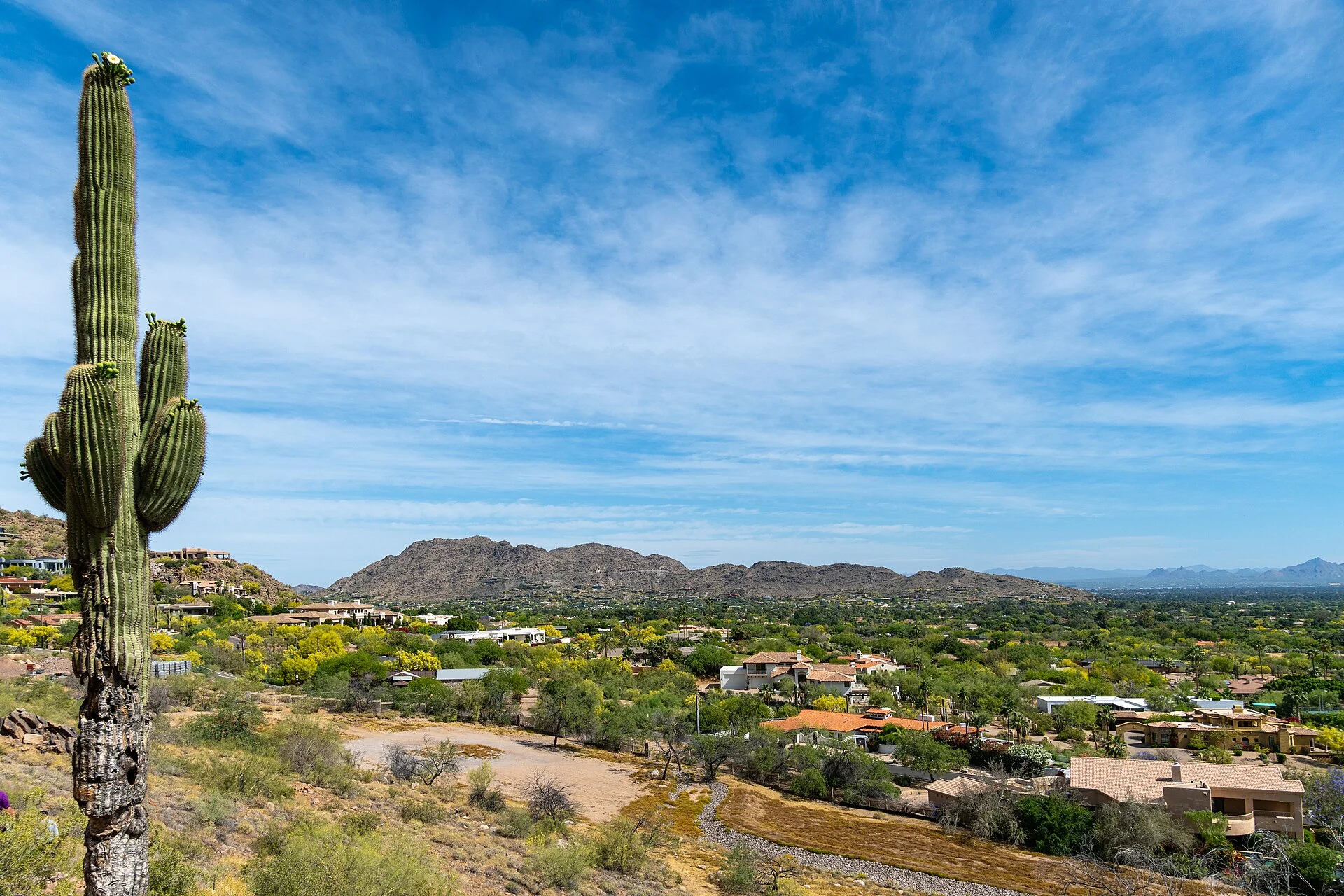
Photos via Wikimedia Commons: A saguaro above homes and the valley floor, seen from Camelback Mountain, Phoenix, Arizona by dconvertini, CC BY-SA 2.0; Saguaros in Saguaro National Park near Tucson, Arizona by Murray Foubister, CC BY-SA 2.0.
Solar panel questions
Can I get a mortgage on a house with leased solar panels?
Does the seller have to pay off a solar loan before closing?
Do solar panels raise a home's appraised value?
Let's talk about your plans
Whether you're buying, refinancing, or want a second look at a quote, tell me what you're hoping to do and I'll help you figure out the next step. If you'd rather start on your own, the Pre-Approval Checklist shows you what to gather.